
クリコレ×クリエイター作品紹介
トップページ > 記事閲覧
 Surviving the Night: A Beginner's Guide to Horror Games and What Makes Them Thrilling
| 投稿日 | : 2026/08/29(Sat) 17:06 |
| 投稿者 | : Aimee Ross |
| 参照先 | : https://fivenightsatfreddysgame.io/ |
こんにちは、あなた。 Horror games have this unique power to get your heart racing while you're sitting safely on your couch—and honestly, that's part of why they're so addictive. Unlike passive horror movies, you're the one calling the shots (or desperately trying to), which makes the experience feel intensely personal. If you've been curious about jumping into the horror gaming world but weren't sure where to start, this guide walks you through what makes these games tick and how to actually enjoy the experience without pulling all your hair out.
Understanding the Appeal
Before diving into the practical stuff, let's talk about why horror games are so compelling. They tap into something primal—the fear response. But here's the thing: it's a controlled fear in a safe environment. You can pause. You can step away. You're not in actual danger, which paradoxically makes the experience fun rather than traumatizing.
Games in this genre use different tactics to scare you. Some rely on jump scares, sudden moments designed to catch you off-guard. Others build atmosphere slowly, making you uneasy through sound design and limited visibility. And some, like FNAF, combine both approaches with a unique gameplay mechanic that keeps you constantly under pressure.
Breaking Down the Gameplay Experience
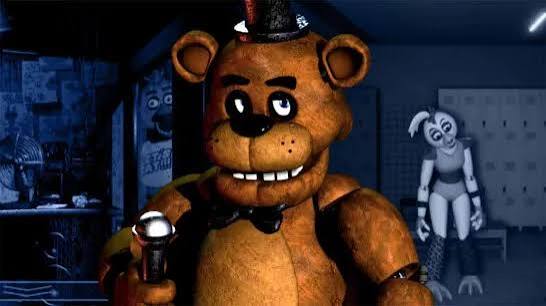
Let's use FNAF as our main example since it's genuinely one of the best entry points for people new to horror games. Here's why: the premise is beautifully simple. You're a security guard working the night shift at a pizza restaurant with animatronic characters. Sounds harmless, right? Not quite.
Your job is to survive five nights while these animatronics—especially the titular Freddy and his crew—try to reach your security office. You've got two main tools: security cameras and doors you can close. That's it. No weapons, no running, just surveillance and resource management.
The game operates on a time limit. Each night lasts several game hours, and you need to make it until 6 AM without getting caught. Every action costs power—checking cameras drains your electricity, closing doors guzzles even more. Run out of power before dawn, and the animatronics have free reign. This creates constant tension because you're forced to make calculated decisions. Do you watch the cameras to track where the animatronics are? Or do you save power and hope they don't reach your office?
The genius of FNAF's design is that it removes the illusion of safety. Unlike some horror games where you can hide and wait things out, here your security office isn't truly safe. It's a box, and threats are closing in from multiple angles. You're managing limited resources, watching movement patterns, and making split-second calls based on incomplete information. This gameplay loop is incredibly engaging because failure feels like it's on you—you made the wrong decision, checked the wrong camera, or ran out of power at the worst moment.
 編集
編集 移動パターンの覚え方 ( No.1 )
| 投稿日 | : 2026/10/09(Fri) 11:53 |
| 投稿者 | : wordleinone.net |
| 参照先 | : https://wordleinone.net/ |
突然のジャンプスケアと、長く続く緊張感の違いが分かりやすかったです。電力が限られているため、すべてのカメラを確認することが最善とは限らない点は、隅々まで調べることが役立つパズルとの面白い違いですね。初心者は電力の使い方を最適化する前に、キャラクターの移動パターンを一つずつ覚えるのがおすすめでしょうか?